
Description
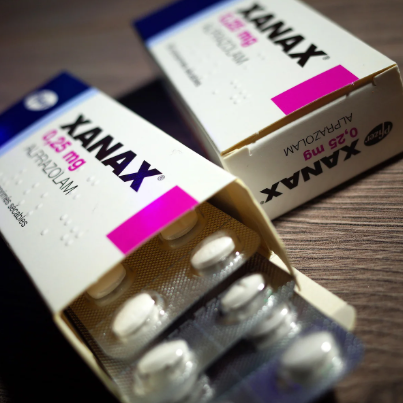
xanax for sale
xanax for sale
What is Xanax (Alprazolam)?
xanax for sale ,Xanax (Alprazolam) is a prescription anti-anxiety medication belonging to the benzodiazepine class, used in the United States for short-term management of generalized anxiety disorder (GAD) and panic disorders. It works by enhancing the effects of a natural calming neurotransmitter in the brain called GABA.
In U.S. clinical practice, Xanax (Alprazolam) is a benzodiazepine prescribed for short-term relief of anxiety and panic symptoms. Due to its potential for dependence and sedation, it is not a first-line therapy for general anxiety and requires close medical supervision under a licensed prescriber. xanax for sale
Patient Scenario: Primary Care Management of a New Diagnosis in an Older Adult
Mrs. J, a 68-year-old Medicare patient with a history of hypertension and mild renal impairment, visits her primary care clinic after experiencing escalating anxiety, restlessness, and sleep disruption following a recent bereavement.
After screening, her physician diagnoses generalized anxiety disorder. Mrs. J expresses concerns about starting new medications, recalling her sister’s issues with sedatives years prior. Her provider discusses medication and non-drug options, considering age and comorbid conditions. xanax for sale
U.S. clinicians routinely encounter situations like Mrs. J’s, where anxiety symptoms interfere with daily living and complicate management of existing chronic conditions. Proper treatment can reduce distress and improve overall health, but decisions always balance benefits with risks—especially regarding medications like Alprazolam.
U.S. Clinical Decision-Making: Prioritizing Safety and Efficacy
In contemporary U.S. practice, the decision to use Alprazolam is nuanced. Prescribers typically evaluate the severity of anxiety, previous treatment responses, and the patient’s full medical profile. For older adults or those with comorbidities, risks such as sedation, cognitive impairment, and falls often outweigh potential benefits. xanax for sale
FDA labeling emphasizes that benzodiazepines like Xanax are not first-line for chronic generalized anxiety disorder but may be considered for acute symptom relief when alternatives are unsuitable or ineffective.
How does Alprazolam work?
Mechanism of Action: Benzodiazepine and GABA Modulation
Alprazolam acts as a central nervous system depressant by binding to benzodiazepine sites on the GABA-A receptor complex in the brain. This enhances the effect of gamma-aminobutyric acid (GABA), a neurotransmitter with inhibitory properties, resulting in sedation, muscle relaxation, and decreased anxiety symptoms.
Clinical Effects: Rapid Anxiety Relief but Short Duration
The drug’s rapid onset (usually within an hour) makes it effective for acute relief of severe anxiety or panic attacks. U.S. clinicians often consider its quick action valuable during sudden symptom flares, but note that symptom improvement does not equate to long-term control of generalized anxiety disorder. Tolerance and dependence can develop with ongoing use.
Benefit–Risk Framing in Clinical Practice
Prescribers weigh the short-term anxiolytic benefits against substantial risks: cognitive side effects, potential for misuse, and the need for gradual discontinuation to avoid withdrawal. xanax for sale
Alprazolam’s fast-acting profile is counterbalanced by the risk of rebound anxiety and the absence of proven benefit for long-term disease modification. These tradeoffs inform why benzodiazepines are reserved for select cases in U.S. anxiety management.
FDA-approved Uses & Dosages for generalized anxiety disorder management
U.S. Clinical Guidance, Dosing, and Patient Safety Considerations
According to updated 2023–2024 FDA guidance and American Academy of Family Physicians (AAFP) recommendations, Alprazolam is FDA-approved for the management of anxiety disorders, including generalized anxiety disorder, and panic disorder with or without agoraphobia. It is not indicated for mild, everyday anxiety or for long-term maintenance therapy.
- Minimum effective dose (adults): 0.25–0.5 mg taken orally two to three times daily, titrated slowly as needed.
- Typical dose: 0.5–1 mg orally three times daily for moderate anxiety or panic episodes.
- Maximum dose: Up to 4 mg daily in divided doses for severe cases, only under close supervision.
- Seniors (65+): Begin at 0.25 mg two to three times daily. Increased sensitivity and higher risk of cognitive impairment or falls necessitate cautious titration and frequent monitoring.
- Renal impairment: Use with caution; dose adjustments or avoidance may be necessary, as impaired clearance can increase sedative effects.
Absolute contraindications include known hypersensitivity to benzodiazepines, acute narrow-angle glaucoma, and concurrent use with potent CYP3A4 inhibitors. High-risk groups—such as those with substance use disorders, severe liver disease, or significant respiratory compromise—require alternative approaches.
From a pharmacy practice standpoint, dispensing Alprazolam in the U.S. involves mandatory patient counseling: risks of dependence, proper storage (locked and out of reach of children), and safe disposal of unused medication.
Pharmacists are required to verify the legitimacy of prescriptions, screen for drug interactions, and educate patients about the need for regular follow-up. Ongoing monitoring includes assessment for symptom improvement, adverse effects, and any signs of misuse.
Insurance coverage for Alprazolam varies: generics are typically covered by Medicare and commercial plans, but prior authorization or step therapy may apply, especially for long-term or high-dose prescriptions. Copays can range from $0–20 for generics, but coverage for brand-name products is more limited.
U.S. healthcare systems emphasize collaborative care and ongoing re-evaluation. This approach reflects the potential for both clinical benefit and harm, especially in older adults or those with complex health profiles.
Risks of Undertreatment and Inappropriate Use
Undertreatment of generalized anxiety disorder can lead to worsening mental health, impaired functioning, and increased healthcare utilization. Conversely, inappropriate or prolonged Alprazolam use may result in dependence, withdrawal symptoms, and diminished effectiveness over time. Prescribers must individualize therapy and regularly reassess the ongoing need for medication.
Comparison List: Clinical Benefits vs Practical Limitations of Alprazolam
- Clinical Benefits:
- Rapid relief of acute anxiety and panic symptoms
- Useful for short-term stabilization during severe distress
- May facilitate engagement in non-pharmacologic therapies
- Practical Limitations:
- Not effective for long-term control of generalized anxiety
- Risk of sedation, cognitive impairment, and falls (especially in older adults)
- Potential for dependence and withdrawal
- Strict prescription regulations and limited refill allowances
Side Effects, Warnings & Interactions
Common and Serious Side Effects
The most frequently reported side effects of Alprazolam include drowsiness, fatigue, dizziness, dry mouth, and decreased alertness. In older adults, risks of confusion, unsteady gait, and falls are elevated. Less commonly, mood changes, memory impairment, and paradoxical agitation can occur. Rare but serious reactions include respiratory depression and allergic responses.
Dependency, Abuse Potential, and Withdrawal
As a Schedule IV controlled substance under DEA regulation, Alprazolam carries a recognized potential for misuse, addiction, and withdrawal. U.S. prescribers restrict its use to the shortest effective duration, and abrupt discontinuation can trigger seizures, agitation, and rebound anxiety. Risk is heightened in patients with current or past substance use disorders.
Drug Interactions and Special Populations
Clinicians monitor for interactions with CNS depressants (alcohol, opioids, other sedatives), which can potentiate respiratory depression. Potent CYP3A4 inhibitors (e.g., ketoconazole, certain antibiotics, grapefruit juice) can increase Alprazolam levels, raising toxicity risk.
- Pregnancy: Use is generally avoided; risk of teratogenicity and neonatal withdrawal.
- Breastfeeding: Not recommended; drug passes into breast milk.
- Seniors: Increased sensitivity and adverse event risk—lower starting doses and close supervision required.
- Renal or Hepatic Impairment: Use only if benefit outweighs risk; monitor closely for toxicity.
Pharmacist Counseling Perspective
From a pharmacy practice standpoint, frequent patient misconceptions include underestimating the potential for dependence and assuming symptom relief means “cure.” Pharmacists routinely counsel on the importance of taking Alprazolam exactly as prescribed, never sharing medication, and promptly reporting side effects. Red flags before dispensing include concurrent opioid prescriptions, recent ER visits for sedation or confusion, and a pattern of early refill requests. Adherence and safety monitoring are essential—especially for older adults or those with access barriers.
Comparison List: Short-Term Relief vs Long-Term Risks
- Short-Term Relief:
- Effective for immediate symptom management
- May help patients participate in therapy or address acute stressors
- Long-Term Risks:
- Tolerance and loss of effect with ongoing use
- Dependence and challenging withdrawal
- Potential worsening of anxiety if not tapered appropriately
Legal Status in the United States
Prescription-Only, Controlled Substance Regulations
Alprazolam (Xanax) is classified as a Schedule IV controlled substance by the U.S. Drug Enforcement Administration (DEA), reflecting acknowledged medical use but also potential for abuse and dependence. It is illegal to obtain or use Alprazolam without a valid prescription from a licensed U.S. healthcare provider.
U.S. Regulatory Oversight and Pharmacy Workflow
All U.S. prescriptions for Alprazolam must be verified by a pharmacist and are tracked in state and federal prescription monitoring programs (PMPs). Refills are strictly limited, and pharmacy staff are required by law to provide counseling on safe use and storage. Online ordering of Alprazolam is legal only when processed through a U.S.-licensed pharmacy with a valid prescription.
Differences from Non-U.S. Prescribing Norms
Unlike some other countries, U.S. practice enforces strict limitations on benzodiazepine prescribing, especially for chronic use. Insurance companies may require documentation of medical necessity, impose quantity limits, and mandate step therapy with first-line non-benzodiazepine treatments. Regular reevaluation is the standard of care, with a strong focus on minimizing misuse and diversion.
Situations Where Alprazolam Is Not Appropriate
FDA labeling and U.S. guidelines stress that Alprazolam should not be used as a first-line treatment for chronic generalized anxiety disorder, in those with a history of substance misuse, or for mild anxiety symptoms not impairing daily function. U.S. clinicians prioritize safer, evidence-based alternatives before considering benzodiazepines.
Alternatives & When generalized anxiety disorder management Requires Them
First-Line and Non-Pharmacologic Treatments
FDA, CDC, and AAFP guidelines recommend selective serotonin reuptake inhibitors (SSRIs), serotonin-norepinephrine reuptake inhibitors (SNRIs), and cognitive-behavioral therapy (CBT) as first-line treatments for generalized anxiety disorder. These options provide long-term symptom control and carry a much lower risk for dependence. Non-pharmacologic approaches—such as mindfulness, relaxation training, and structured counseling—may be particularly effective for older adults or those with medical comorbidities.
When to Prefer Alternatives Over Alprazolam
U.S. clinicians often consider alternatives when patients have:
- a history of medication misuse
- significant medical comorbidities
- require long-term anxiety management
- are pregnant or breastfeeding
- or are at increased risk for falls or cognitive side effects
For these individuals, SSRIs, SNRIs, or therapy are typically chosen before any benzodiazepine is considered.
Role of Alprazolam in Complex Cases
In situations where rapid anxiety control is essential and other therapies have failed or are contraindicated, short-term Alprazolam use may be justified—always with a clear treatment plan and ongoing monitoring. For example, older adults with severe, acute anxiety impairing medical adherence may benefit from brief Alprazolam therapy while transitioning to safer long-term options.
Comparison List: Pharmacologic vs Non-Pharmacologic Alternatives
- Pharmacologic (e.g., SSRIs, SNRIs):
- Lower risk of dependency
- Effective for long-term symptom control
- Onset of action is slower (weeks vs. hours)
- Non-Pharmacologic (CBT, mindfulness):
- No medication side effects
- Improves coping and resilience
- Requires patient commitment and access to qualified providers
U.S. Clinical Practice Context
In U.S. primary care, the management of generalized anxiety disorder emphasizes collaborative decision-making, insurance-mandated step therapy, and integration of behavioral health services. Benzodiazepines are reserved for select, short-term indications and are rarely prescribed for chronic anxiety in older adults or those with comorbid medical issues. This approach differs significantly from some countries where long-term benzodiazepine use is more common and less regulated.
Frequently Asked Questions
Is it legal to buy Xanax (Alprazolam) online without a prescription?
No. In the United States, it is illegal and unsafe to obtain Alprazolam without a prescription from a licensed healthcare provider. Legitimate U.S. pharmacies require a valid prescription to dispense this controlled medication.
What are the first-line treatments for generalized anxiety disorder?
SSRIs, SNRIs, and cognitive-behavioral therapy are recommended as first-line options for generalized anxiety disorder. Benzodiazepines like Alprazolam are used only when these alternatives are ineffective or contraindicated, and then only for short-term relief.
Why do U.S. doctors avoid long-term use of Alprazolam?
Due to the risk of dependence, tolerance, cognitive impairment, and withdrawal symptoms, U.S. clinicians restrict Alprazolam to short-term or intermittent use, preferring safer alternatives for ongoing anxiety management.
How do insurance plans cover Alprazolam?
Most commercial and Medicare plans cover generic Alprazolam with a modest copay, but may require prior authorization or step therapy documentation, especially for chronic use or higher doses. Brand-name coverage is rare and significantly more expensive.
Can Alprazolam be used safely in older adults?
Older adults face higher risks of sedation, confusion, and falls. U.S. prescribers use the lowest effective dose and reserve Alprazolam for short-term, closely monitored situations. Safer, non-benzodiazepine alternatives are usually preferred.
What precautions should patients take while using Alprazolam?
Patients should avoid alcohol and other sedatives, store the medication securely, never share their prescription, and notify their healthcare provider about any unusual symptoms or side effects. Discontinuation should always be gradual and supervised.
When is Alprazolam not appropriate for anxiety?
It is not appropriate for mild, non-disruptive anxiety, for patients with a history of substance use disorder, or as a sole therapy for chronic generalized anxiety disorder. Discussing safer, long-term options with a provider is essential.
What happens if I miss a dose or stop Alprazolam suddenly?
Missing a single dose may cause increased anxiety or agitation, but stopping suddenly after regular use can lead to withdrawal symptoms such as insomnia, irritability, and—rarely—seizures. Always follow your prescriber’s instructions for dose changes.
Patient Scenario: Addressing Adherence Challenges in Older Adults with Comorbidities
Mr. T, a 74-year-old with Medicare coverage, diabetes, and moderate kidney dysfunction, is prescribed Alprazolam for an acute anxiety flare during a major life transition. His pharmacist provides additional counseling on fall prevention, medication timing, and coordinating follow-up between his PCP and endocrinologist to reduce risks and ensure safe, effective anxiety management.
Reviews
There are no reviews yet.